
Nutritional Counseling FAQs from a Veterinarian Near You
Feeding your pet might seem as simple as scooping food into a bowl—but when it comes to long-term health, the details can really matter. At Morgan Pet Clinic, your veterinarian in Omaha, NE, we offer nutritional counseling to help pet owners make informed choices about what goes into their pets’ bodies. A well-balanced diet can support everything from digestion to energy levels. REad on to learn more:
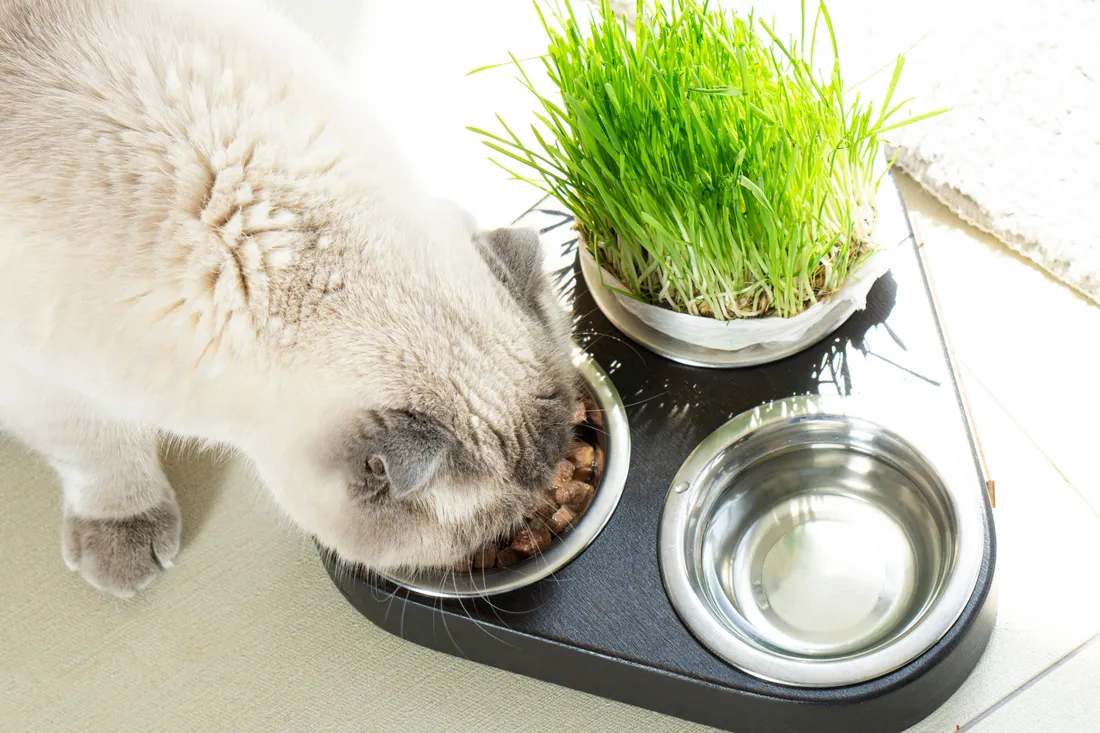
What Is Nutritional Counseling for Pets?
Nutritional counseling is a personalized service where we assess your pet’s dietary needs based on their breed, age, weight, activity level, and medical history. The goal is to make sure your pet is getting the right balance of nutrients.
Why Isn’t Regular Pet Food Enough?
Over-the-counter pet foods are made for the average pet, but not every animal fits that mold. Some pets have allergies, weight issues, or chronic health conditions that require special diets. Others may need extra calories or nutrients during recovery from illness or surgery. Even healthy pets can benefit from fine-tuning their meals.
Can You Help with Weight Management?
Yes. Obesity is a growing issue in both dogs and cats and it can lead to joint pain, diabetes, and heart problems. We help develop weight loss plans that include portion control, calorie tracking, and appropriate treats to help make sure your pet gets healthy and stays healthy.
What about Homemade Diets?
Homemade diets can work, but they need to be well-balanced and properly portioned. Many recipes found online might leave out key nutrients. During counseling, we can review any homemade plans to help make sure they meet your pet’s needs. In some cases, we might recommend supplements to fill in the gaps.
Do You Offer Advice for Puppies and Kittens?
Absolutely. Early nutrition is important for healthy growth. Puppies and kittens need more calories, protein, and fat than adult pets. We can guide you through the weaning stage, selecting the right food, and feeding schedules that support proper development without overfeeding.
Is There a Difference between Dog and Cat Nutrition?
Yes, dogs and cats have different dietary needs. For example, cats require more protein and specific nutrients like taurine, which dogs don’t need in the same way. Feeding a cat dog food or a dog cat food over time can lead to nutritional deficiencies or health problems.
Get Pet Nutritional Counseling Near You
Choosing the right food for your pet can feel like sorting laundry in the dark. That’s where nutritional counseling comes in—to shine a light on the choices that make a difference. At Morgan Pet Clinic, your veterinarian in Omaha, NE, we take the guesswork out of feeding and help you support your pet’s health. Call us at (402) 895-1001 for pet nutritional counseling from a veterinarian near you.